
Guide · Maipo Valley
Cabernet Sauvignon and Carménère from the Maipo Valley: what makes them different
The Maipo Valley is the birthplace of Chile's age-worthy red wines.
In this guide we sum up, from the experience of a winery that has been making wine in Maipo Andes since 2004, the character and differences of these two emblematic and renowned varieties of the valley.
At Besoain Wines our mission is that every wine authentically represents the terroir -soil + climate + vineyard work- it comes from, and that each stands apart from the others, to bring out the best in every one.
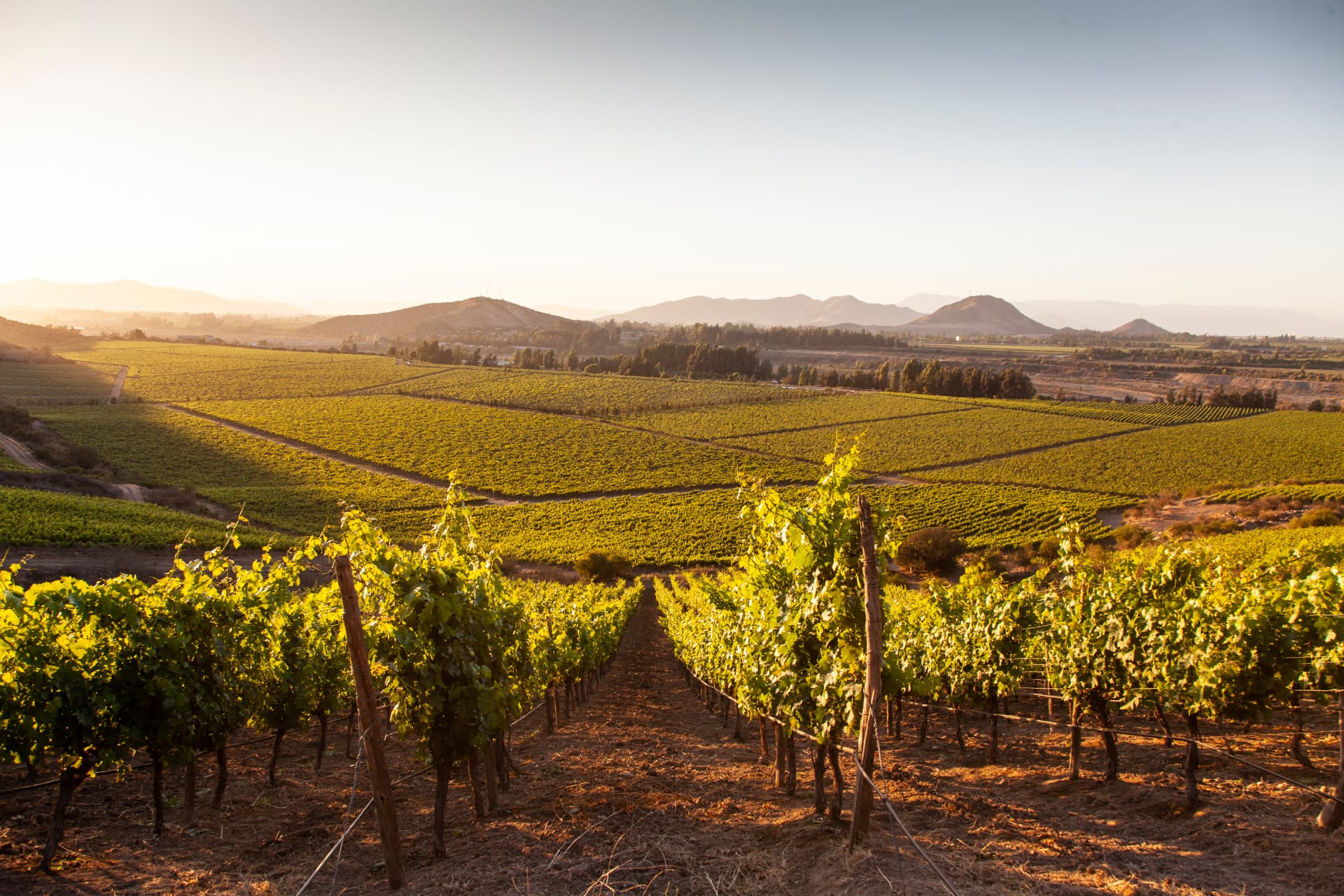
The terroir: Maipo Andes in brief
The Maipo Valley is divided into three areas: Maipo Andes (to the east, on the Andean foothills), Maipo Central and Maipo Costa.
Maipo Andes, internationally renowned for the quality and prestige of its wines, is characterised by its higher-altitude vineyards and its colder nights.
Three factors explain the area's style: a temperature swing of up to 18 °C between day and night during ripening, which preserves acidity and enhances aromas and colour; a Mediterranean climate with winter rainfall and dry summers, which reduces disease pressure; and alluvial soils of rounded stones, which allow the vines to root deep for greater plant stability and more complex grapes.
In our case, the vineyards sit at 650 metres above sea level, on alluvial terraces along the Maipo river that formed them, with stony soils of good drainage and fertility.
For this reason, our terroir is privileged in the area: thanks to the direct influence of the breezes that travel through the Maipo river canyon, temperatures are milder in summer and winter than in nearby areas, so our grapes are never exposed to frost or extreme heat during the summer.
Maipo Cabernet Sauvignon
It is the variety that gives the valley its international fame. It is a highly adaptable variety, so the difference in wine quality depends greatly on where and how it is grown.
In Maipo Andes, our Cabernet Sauvignon usually shows cassis and ripe plums, very characteristic minty notes, graphite and, with oak ageing, cedar and tobacco. The tannins are ripe and rounded, with natural acidity that supports ageing.
Carménère, the rediscovered variety
Carménère arrived in Chile from Bordeaux in the 19th century and for decades was mistaken for Merlot, until its identification in 1994. It is a long-cycle variety: it ripens two to four weeks after Cabernet Sauvignon, so its harvest date is the most delicate decision of the year.
In line with our winemaking style, focused on elegance, fruit and structure, we work our Carménère vineyards to bring out their fruit notes. To that end we carry out partial leaf removal, taking the leaves off one side of the row only, two to three weeks before harvest. This practice helps reduce the pyrazines responsible for green aromas and lets the wine's fruit expression come through.
In Maipo Andes, our Carménère shows intense aromas of raspberries and fresh plums, with notes of green tea. The tannins are broad, ripe and fill the mid-palate, finishing with a soft acidity.
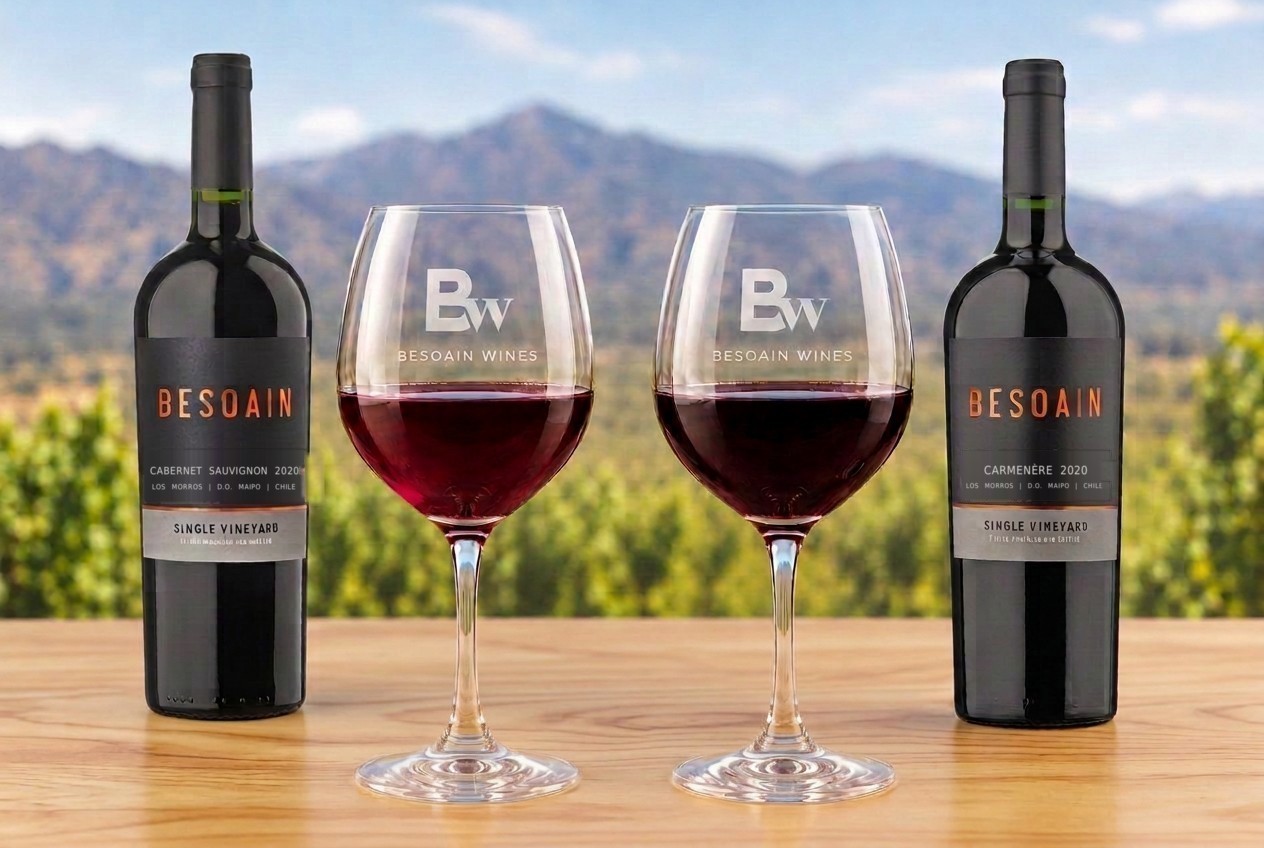
How our wines compare
 Cabernet Sauvignon Cabernet Sauvignon | Carménère | |
|---|---|---|
| Harvest | Mid-March | Mid-April |
| Aromas | Ripe plums, cassis, graphite | Raspberries, fresh sour cherries, green tea |
| Tannins | Firm, structured and rounded | Flat, enveloping and silky |
| Drinking and cellaring | Now up to 20 years | Now up to 15 years |
| Serving temperature | 16–18 °C | 17–20 °C |
Frequently asked questions
What makes Maipo Andes Cabernet Sauvignon different?
+
The combination of soils of alluvial origin, an altitude of 650 metres and a wide temperature swing between day and night. In our Cabernet, that brings mature, silky tannins, natural acidity and the ripe plum and cassis character that identifies Maipo Andes among other Chilean valleys.
Why does Carménère ripen so late?
+
It is a long-cycle variety: it needs two to four weeks more than Cabernet Sauvignon to reach optimal ripeness. Harvested too early it shows intense herbal and pyrazinic notes; at its best, our Carménère delivers fresh cherry, green tea and enveloping tannins.
How long can a Maipo Andes Cabernet be aged?
+
Our Cabernet Sauvignon, aged in barrels and in bottle, can be enjoyed very well for up to 15 years from the harvest.
What should I pair with a Chilean Carménère from the Maipo Andes?
+
It works very well with grilled red meats, lamb, pastel de choclo, plateada, mature cheeses and dishes with red pepper, cumin or merkén, because it complements the variety's spicy notes instead of competing with them.
The best way to understand these differences is to taste them side by side: our guided tastings include both varieties at the same table.
Book a tasting